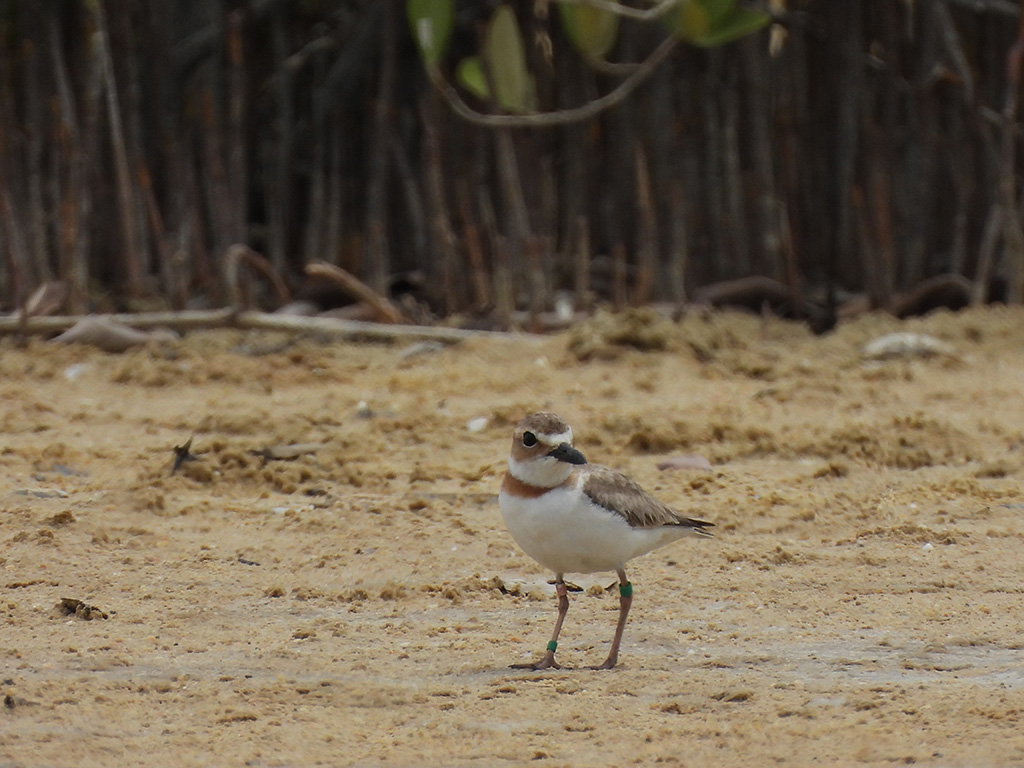
Por: Joanna Castillo – Pequeños Fondos Manomet para la Conservación de Aves Playeras del Neotrópico En las costas del Golfo San José, dentro del sitio de la Red Hemisférica de Reservas para Aves Playeras (WHSRN) en Península Valdés, Argentina, dos especies emblemáticas, el Ostrero Pardo (Haematopus palliatus) y el Chorlo de Doble Collar (Anarhynchus falklandicus), enfrentan un escenario cada vez …
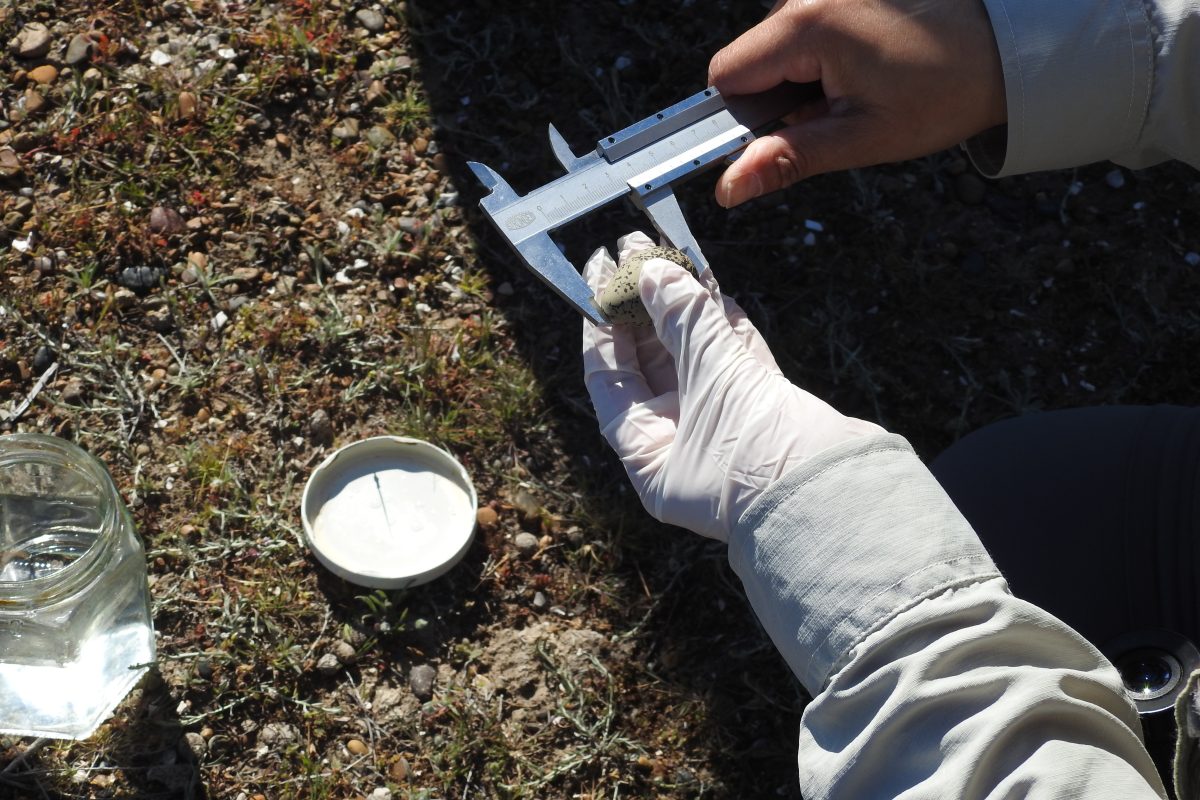
Science in the Sand: Protecting the Future of the American Oystercatcher and the Two-banded Plover in Península Valdés, Argentina
By Joanna Castillo – Manomet Small Grants for the Conservation Neotropical Shorebird On the shores of the Golfo San José, within the Western Hemisphere Shorebird Reserve Network (WHSRN) site in Península Valdés, Argentina, two emblematic species—the American Oystercatcher (Haematopus palliatus) and the Two-banded Plover (Anarhynchus falklandicus)— face an increasingly challenging breeding environment. Addressing this challenge is the goal of a …
Entre Nidos y Huellas: los Desafíos de Nacer en las Playas de Margarita, Venezuela
Autor: Wilber Bernay – Pequeños Fondos Manomet para la Conservación de las Aves Playeras del Neotrópico La Isla de Margarita, ubicada al noreste de Venezuela, alberga aproximadamente 9,500 hectáreas de ecosistemas vitales para las aves playeras. Sin embargo, el crecimiento urbano y el turismo descontrolado han provocado un deterioro progresivo de estas áreas, impactando directamente la biodiversidad regional. Un caso …
Between Nests and Footprints: The Challenges of Being Born on Margarita’s Beaches, Venezuela
Author: Wilber Bernay – Manomet Small Grants for Conservation of Neotropical Shorebirds Margarita Island, located in northeastern Venezuela, is home to approximately 9,500 hectares of vital ecosystems for shorebirds. However, urban growth and uncontrolled tourism have led to a progressive deterioration of these areas, directly impacting regional biodiversity. A critical case is the Wilson’s Plover (Anarhynchus wilsonia cinnamominus), a local …
Conserving Caribbean Wetlands—Waterbird and Shorebird ID and Census Workshop
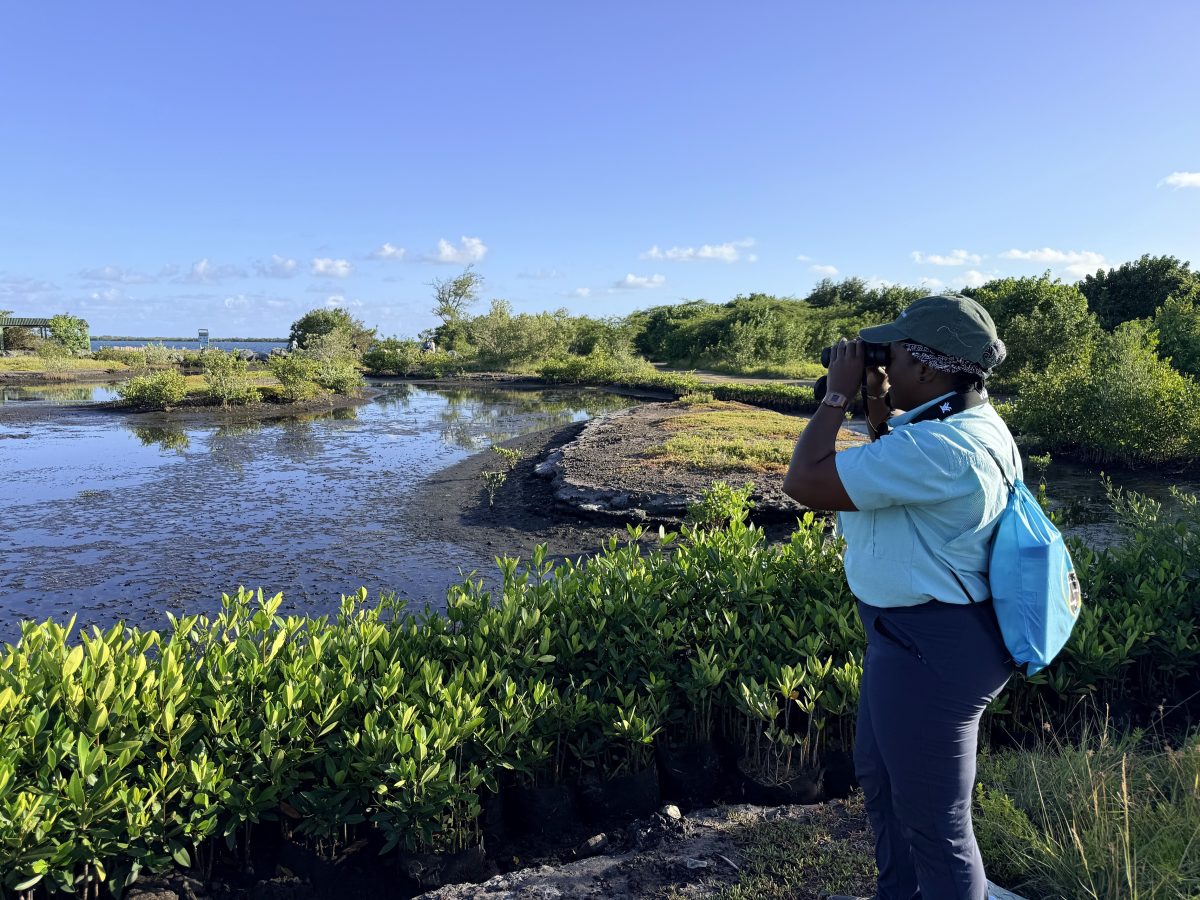
BirdsCaribbean recently hosted a five-day Waterbird and Shorebird Identification and Census Workshop in Puerto Rico, bringing together 27 conservation practitioners from Puerto Rico and 10 Caribbean island nations. The training was facilitated by experts from BirdsCaribbean, Manomet Conservation Sciences, and the San Juan Bay Estuary Program. Participants strengthened their skills in shorebird and waterbird identification, standardized survey methods, data management, …
American Oystercatcher Productivity Protocol is Here!
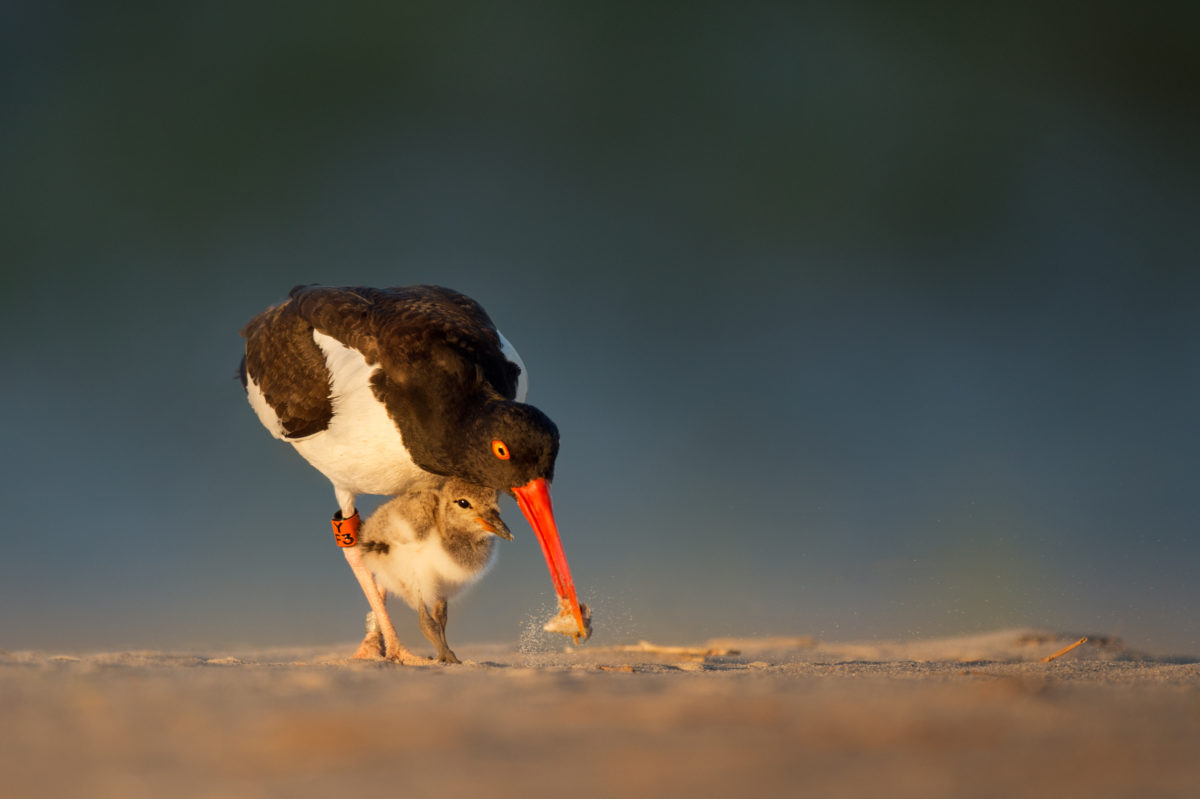
The American Oystercatcher Working Group (AMOYWG) has updated a standardized protocol for monitoring the breeding productivity of American Oystercatchers to identify and compare changes in productivity over time and across multiple spatial scales. Survey methods and metrics are defined to promote consistency and accuracy in the collection, reporting, and analysis of productivity data. Basic guidance for carrying out this work …
Pequeños Fondos, Grandes Resultados: Invirtiendo en el Futuro de las Aves Playeras Neotropicales
Autor: Isadora Angarita-Martínez – Manomet Conservation Sciences A lo largo de las Américas, muchas aves playeras residentes del Neotrópico siguen siendo poco conocidas, a pesar de que sus hábitats son fundamentales no solo para su supervivencia, sino también para la de numerosas especies migratorias que recorren la ruta del Atlántico. Cerrar estas brechas de conocimiento es clave para una conservación …
Small Grants, Big Impact: Investing in the Future of Neotropical Shorebirds
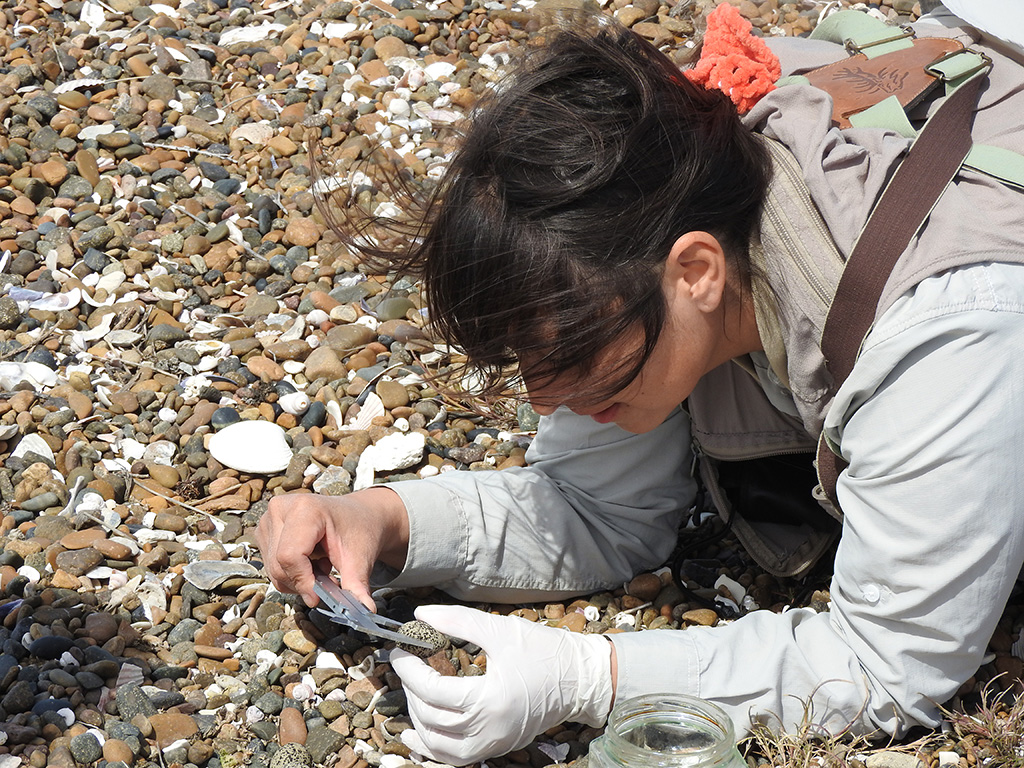
Author: Isadora Angarita-Martínez – Manomet Conservation Sciences Across the Americas, many resident Neotropical shorebirds remain poorly understood, despite the fact that their habitats are essential not only for their survival, but also for numerous migratory species that travel along the Atlantic Flyway. Closing these knowledge gaps is critical for effective conservation at a hemispheric scale. The Manomet Small Grants for …
A Shared Shoreline: Building Regional Collaboration Through the Guianas Green Coast Conservation Plan
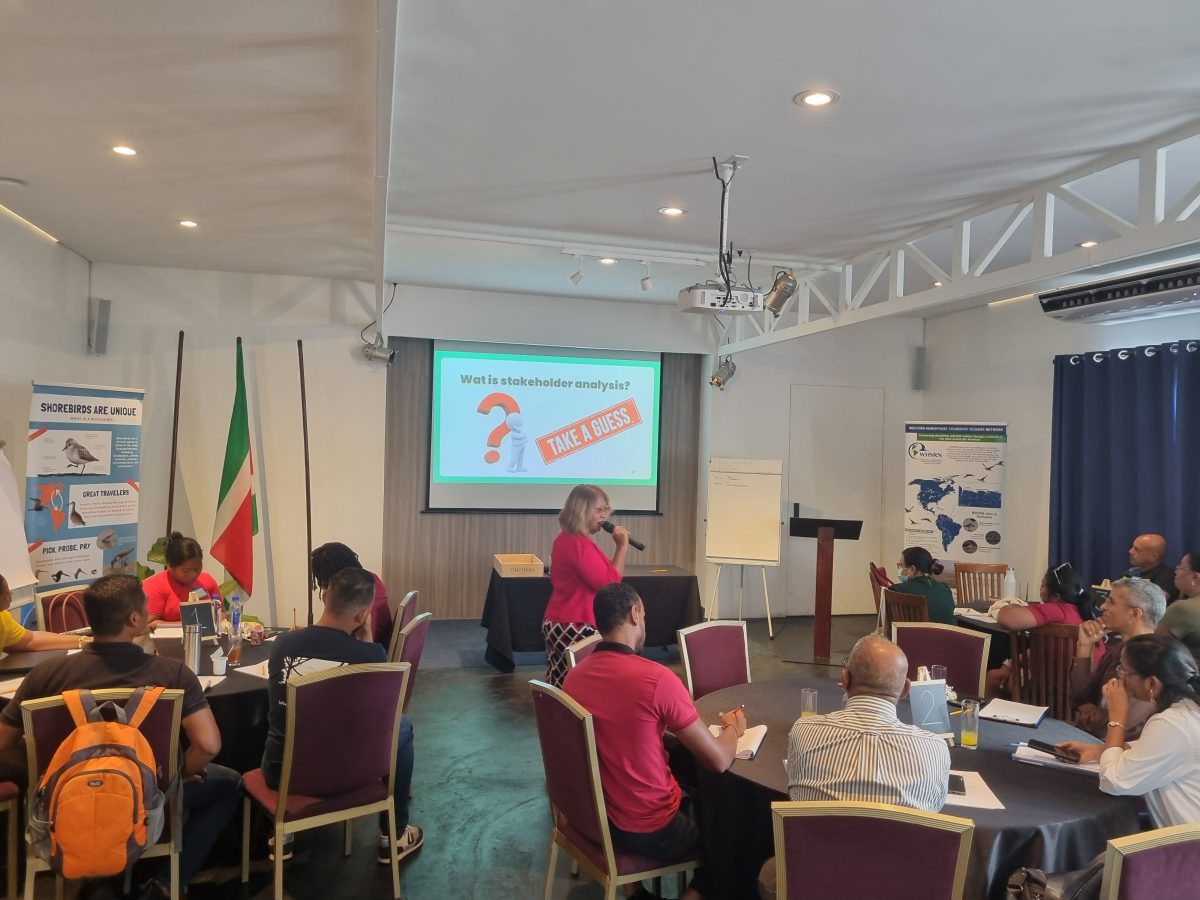
The coastline of Guyana, Suriname and French Guiana is of exceptional conservation value, supporting millions of these species, such as the Red Knot and Semipalmated Sandpiper, which are declining and of global conservation concern. While much of the coastline remains relatively pristine, the region faces mounting threats from unsustainable resource use (including shorebird harvesting), pollution, and offshore oil development. To …
Virtual Training: Community Based Social Marketing
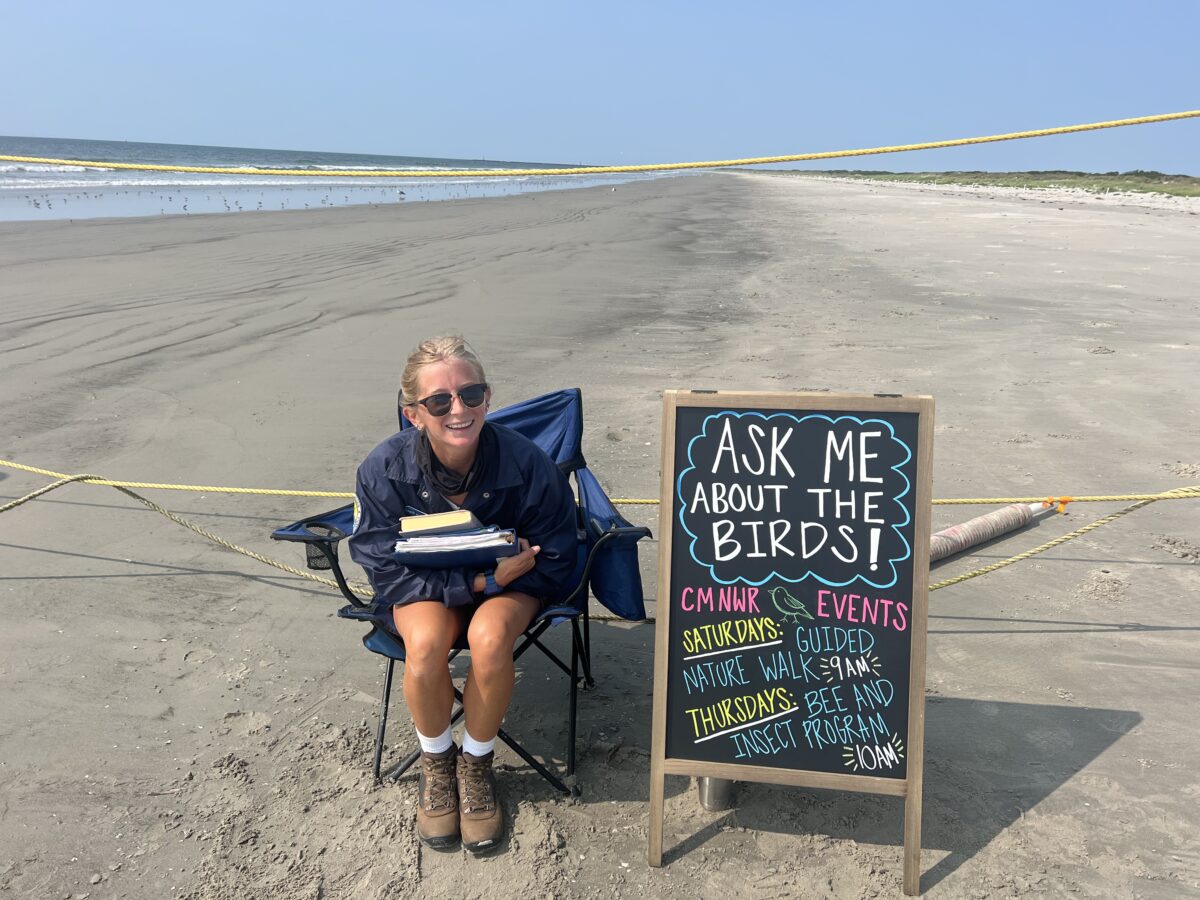
Three-part Virtual Training Series: Applying Community-based Social Marketing to Shorebird Conservation Management Dive into this 3-part workshop, hosted by Virginia Tech, Audubon, Manomet, and AFSI, that offers practical tools and real-world examples from the shorebird conservation community on how community-based social marketing (CBSM) has been applied to reduce human disturbance to shorebirds. This workshop guides you through the CBSM framework …
New Guide for Building a Community of Practice
Designing, Implementing, and Sustaining a Community of Practice to Support Organizational and Conservation Outcomes This guidance document aims to provide conservation practitioners and professionals with the knowledge, tools, and resources needed to facilitate and participate in Communities of Practice (CoPs). A CoP is a group of people who meet regularly to work toward the same goal or address the same challenge …
New Guidance Document: Evaluating Human Behavior Change
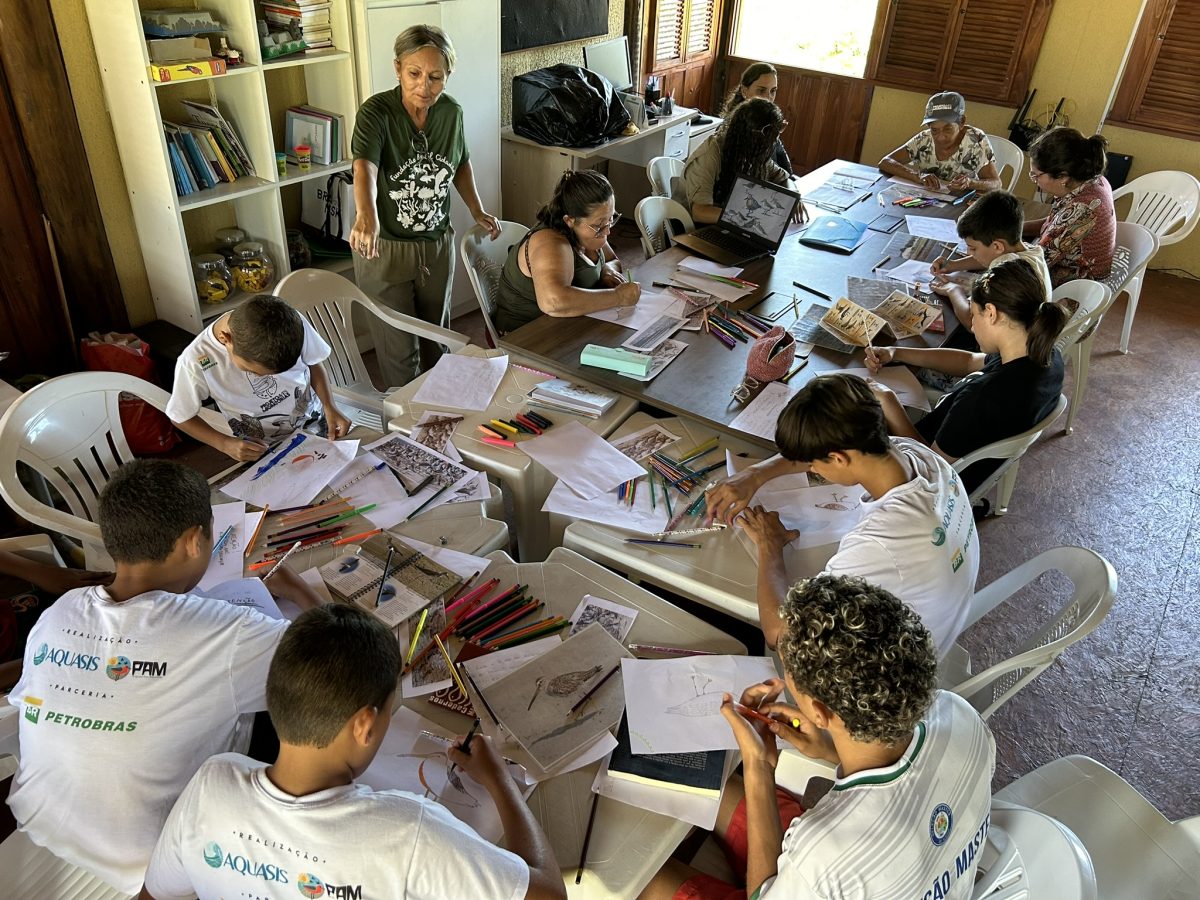
Photo courtesy of Aquasis/Projeto Aves Migratórias Measuring Outputs and Outcomes of Conservation Organizations This guidance document provides conservation professionals with practical, accessible approaches for evaluating initiatives designed to influence human behavior. By focusing on outputs and outcomes, this document demonstrates how practitioners can show project progress and effects in a credible, manageable way. This guidance document is designed to build …
Learn about the Shorebird Human Disturbance Community of Practice
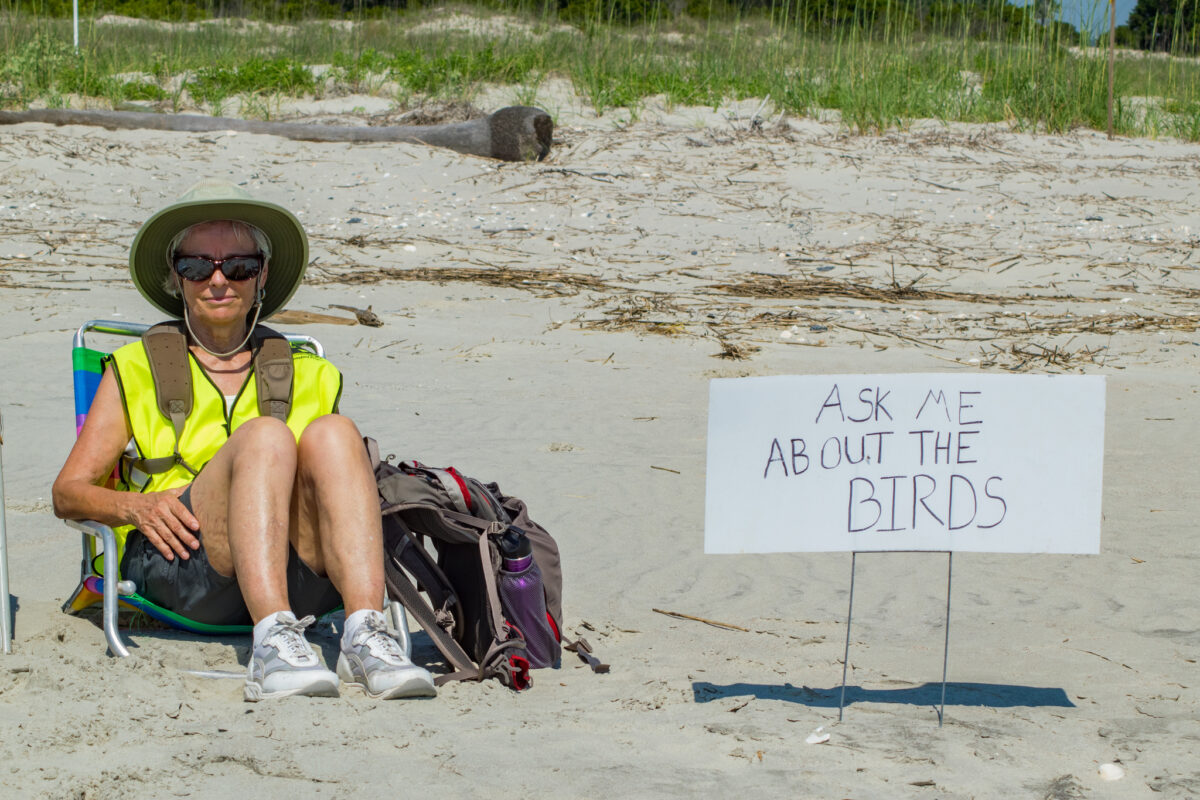
To address disturbance along the Atlantic Flyway, a collaborative study funded by the National Fish and Wildlife Foundation has been underway involving partners at Virginia Tech, Audubon, Manomet, and the USFWS. Using a Community of Practice (CoP) approach – where groups of people regularly interact to exchange knowledge, resources, and expertise on a shared concern or interest – the team …
Human Disturbance Reduction Toolkit/Conjunto de herramientas para la reducción de las perturbaciones humanas
Human Disturbance Reduction Toolkit Virginia Tech, Audubon, Manomet, and USFWS developed an online, accessible toolkit to highlight the best practices, case studies, and lessons learned from the transdisciplinary human disturbance project. The goal of the toolkit is to provide managers, practitioners, and conservation professionals with the resources, knowledge, and expertise to tackle human disturbance head-on through empirically tested social science …
Evaluación de las perturbaciones causadas a las aves playeras migratorias e invernantes en el Caribe
Hasta la fecha, poco se sabía sobre el alcance y la gestión de las perturbaciones causadas por el hombre a las aves playeras en el Caribe. Gracias a la financiación de Medio Ambiente y Cambio Climático Canadá, BirdsCaribbean y Virginia Tech se asociaron recientemente para estudiar las experiencias de los monitores del Censo de Aves Acuáticas del Caribe (abreviación en …
Evaluating Disturbance to Migrating and Overwintering Shorebirds in the Caribbean
To date, little is known about the extent and management of human disturbance to shorebirds in the Caribbean. Thanks to funding from Environment and Climate Change Canada, BirdsCaribbean and Virginia Tech recently partnered to survey Caribbean Waterbird Census (CWC) monitors’ experiences with disturbance at the wetland sites they monitor. CWC monitors first provided feedback via a focus group to share …
Guidance and Best Practices for Evaluating and Managing Human Disturbances to Migrating Shorebirds on Coastal Lands in the Northeastern United States
RECOMMENDED CITATION Mengak, L., A.A. Dayer, R. Longenecker, and C.S. Spiegel. 2019. Guidance and Best Practices for Evaluating and Managing Human Disturbances to Migrating Shorebirds on Coastal Lands in the Northeastern United States. U.S. Fish and Wildlife Service. Managers recognize human disturbance as a serious threat facing shorebirds throughout their annual cycle. Yet, most of the current research and management …
Exciting Technique Used to Create Shorebird Habitat in Suriname
The iconic maps depicting shorebird abundance in the Atlas of the Nearctic Shorebirds on the Coast of South America of Morrison & Ross (1989) cannot be clearer: the Surinamese coastline is of key importance to wintering populations of shorebirds. The vast tidal mudflats and extensive mangroves of Suriname are considered one of the most important wintering areas along the Atlantic …
Connecting the Dots: Shorebirds, People and Sites
Story By: Salvadora Morales, David Mizrahi & Jason Mobley Synchrony: Shorebirds and Horseshoe Crabs In late February and March in Brazil, Colombia, Nicaragua, and across all wintering sites, Semipalmated Sandpipers (Calidris pusilla) and other long-distance migratory shorebirds prepare for their spring migration. They will undertake flights of several thousand kilometers to reach end routes staging sites and then their Arctic …
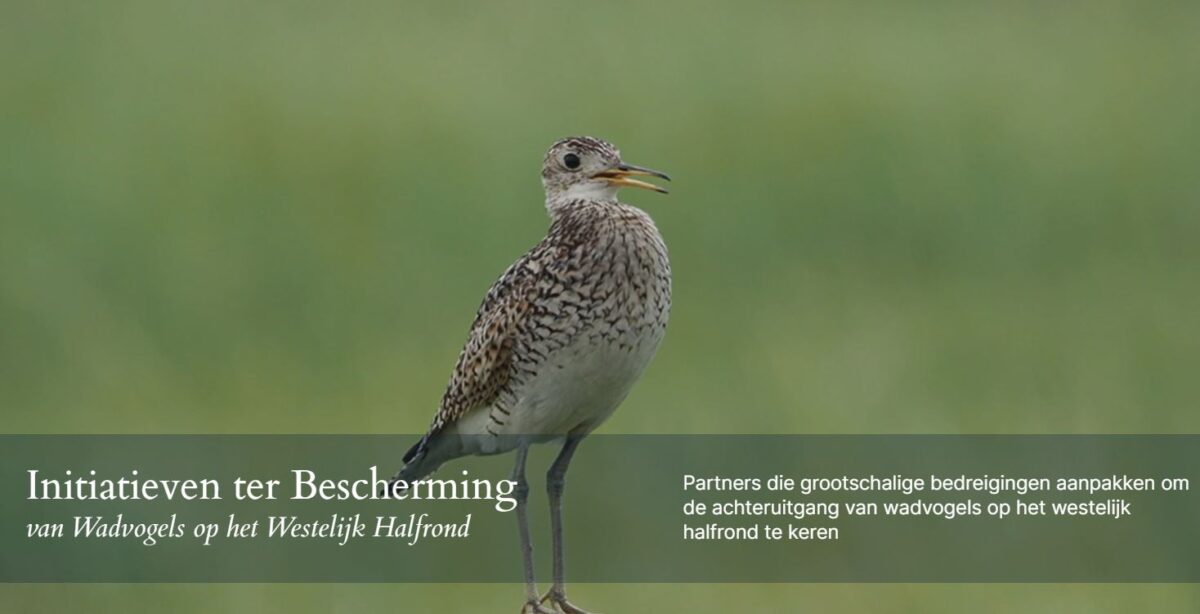
Initiatieven ter Bescherming van Wadvogels op het Westelijk Halfrond
Wadvogels zijn te vinden in bijna elk type habitat op het westelijk halfrond. Deze leefgebieden zijn de afgelopen eeuw ingrijpend veranderd. Habitatverlies in combinatie met de vele obstakels gedurende hun levenscyclus heeft geleid tot een aanzienlijke achteruitgang van wadvogels in Noord en Zuid Amerika. Gelukkig, dankzij jou en je geweldige partners, genieten wadvogels behoud en bescherming, en worden lokale gemeenschappen …